
Many parents assume baby teeth don’t need treatment because they eventually fall out. However, dentists strongly emphasize that ignoring decay in primary teeth can cause serious oral health problems. Understanding do milk teeth need fillings helps parents make timely decisions that protect their child’s long-term dental health.
At Ivory Dental World, pediatric dentists regularly educate parents about early cavity detection and preventive care, because treating problems early prevents pain, infection, and costly procedures later.
Why Milk Teeth Matter More Than You Think
Milk teeth play a crucial role in your child’s development:
-
Help with proper chewing and nutrition
-
Support clear speech formation
-
Maintain space for permanent teeth
-
Guide correct jaw growth
When decay damages a baby tooth and it is lost early, nearby teeth shift into the empty space. This may cause crowding or alignment problems that later require orthodontic treatment. That’s why dentists at Ivory Dental World always stress early cavity treatment instead of waiting for teeth to fall out naturally.
Do Milk Teeth Need Fillings?
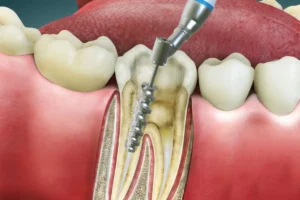
Yes, if a cavity is present, a filling is usually necessary. Tooth decay does not heal on its own. Bacteria produce acids that erode enamel and spread deeper into the tooth.
Dentists at Ivory Dental World explain that a filling:
-
Removes decay
-
Stops infection from spreading
-
Restores tooth strength
-
Prevents pain
Treating cavities early is simpler, quicker, and more comfortable for children.
Signs Your Child May Need a Filling
Watch for early warning signs of cavities in baby teeth:
-
White or brown spots on teeth
-
Complaints of tooth pain
-
Sensitivity to sweets or cold foods
-
Visible holes in teeth
-
Swollen gums near a tooth
If you notice these symptoms, pediatric dentists at Ivory Dental World recommend scheduling a dental visit promptly before the cavity worsens.
When Baby Teeth Require Treatment
| Dental Condition | Recommended Treatment | Priority |
|---|---|---|
| Early enamel damage | Fluoride therapy | Low |
| Small cavity | Filling | Moderate |
| Deep decay | Pulp treatment | High |
| Extensive damage | Crown | Urgent |
| Infection or swelling | Emergency care | Immediate |
Types of Fillings Used for Baby Teeth
Dentists choose filling materials based on cavity severity and tooth position.
1. Tooth-Colored Composite Fillings
Blend naturally with teeth and are ideal for visible areas.
2. Glass Ionomer Fillings
Release fluoride and help protect surrounding tooth structure. Commonly used for young children.
3. Pediatric Crowns
When decay is severe, dentists may recommend crowns instead of fillings to protect the tooth until it falls out naturally. Ivory Dental World often uses durable pediatric crowns for long-lasting results.
What Happens During a Child’s Filling Procedure?
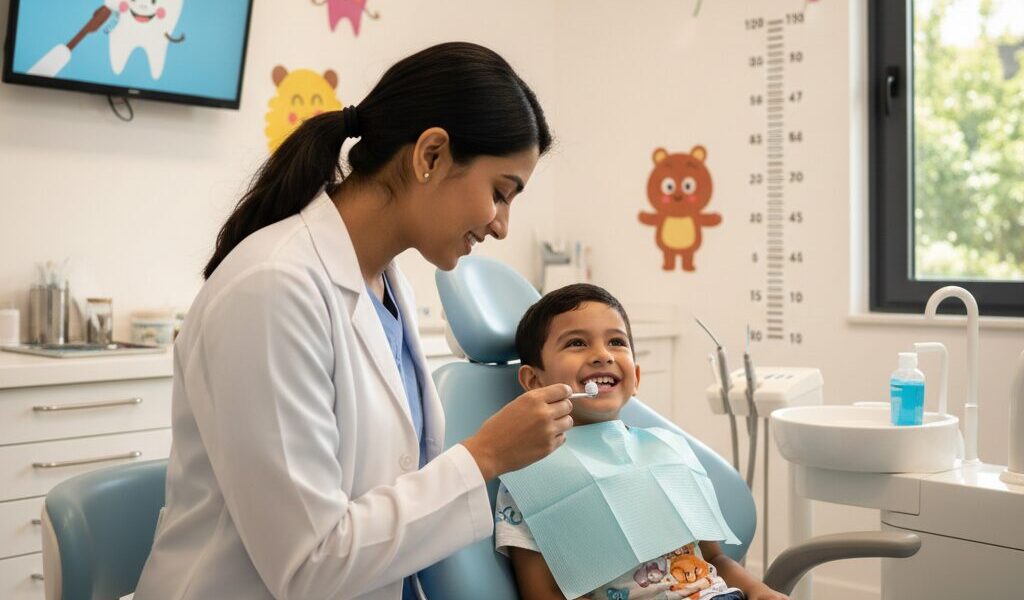
Modern pediatric dentistry focuses on comfort and gentle care. At Ivory Dental World, the procedure usually includes:
a. Step 1: Gentle Numbing
Local anesthesia ensures your child feels no pain.
b. Step 2: Decay Removal
The dentist carefully removes infected tooth material.
c. Step 3: Disinfection
The area is cleaned to eliminate bacteria.
d. Step 4: Filling Placement
The cavity is sealed with a safe dental material.
e. Step 5: Finishing
The filling is shaped and polished for a natural bite.
Most treatments are completed within 20–30 minutes.
Why Parents Trust Ivory Dental World for Children’s Dental Care
Parents prefer Ivory Dental World for pediatric dentistry because of:
-
Child-friendly environment
-
Gentle treatment approach
-
Experienced dental professionals
-
Advanced diagnostic technology
-
Preventive care guidance
The clinic focuses not only on treating cavities but also on helping children build positive dental habits that last a lifetime.
Risks of Ignoring Cavities in Baby Teeth
Untreated tooth decay in children can lead to:
-
Severe pain
-
Infection or abscess
-
Difficulty eating
-
Speech issues
-
Damage to permanent teeth
Dentists at Ivory Dental World emphasize that early treatment prevents these complications and ensures healthy oral development.
Prevention Tips Recommended by Dentists
To reduce the risk of cavities:
-
Brush twice daily with fluoride toothpaste
-
Limit sugary snacks and drinks
-
Schedule dental checkups every 6 months
-
Replace toothbrush every 3 months
-
Supervise brushing until age 7
Regular visits to Ivory Dental World help detect problems early and maintain strong, cavity-free teeth.
When to See a Dentist Immediately
Seek urgent dental care if your child experiences:
-
Severe toothache
-
Facial swelling
-
Fever with dental pain
-
Broken tooth
These symptoms may indicate advanced infection requiring immediate professional treatment.
Final Thoughts
So, do milk teeth need fillings? In most cases, yes. Treating cavities early protects your child from pain, prevents infections, and supports proper dental development. Baby teeth may be temporary, but their impact on your child’s oral health is long-lasting.
With early diagnosis, preventive care, and expert treatment from clinics like Ivory Dental World, parents can ensure their child’s smile grows healthy and strong.
FAQs
1. Do milk teeth really need fillings if they will fall out anyway?
Yes. Even though baby teeth fall out, untreated cavities can cause pain, infection, swelling, and damage to developing permanent teeth. Dentists recommend fillings to protect oral health and proper jaw development.
2. How do I know if my child needs a filling?
Common signs include tooth pain, visible holes or spots, sensitivity to sweets or cold food, bad breath, or difficulty chewing. A dentist can confirm decay with a clinical exam and X-ray if needed.
3. Are dental fillings safe for children?
Yes. Pediatric dentists use safe, biocompatible, tooth-colored filling materials specifically designed for children’s teeth. These restore strength and prevent further decay.