

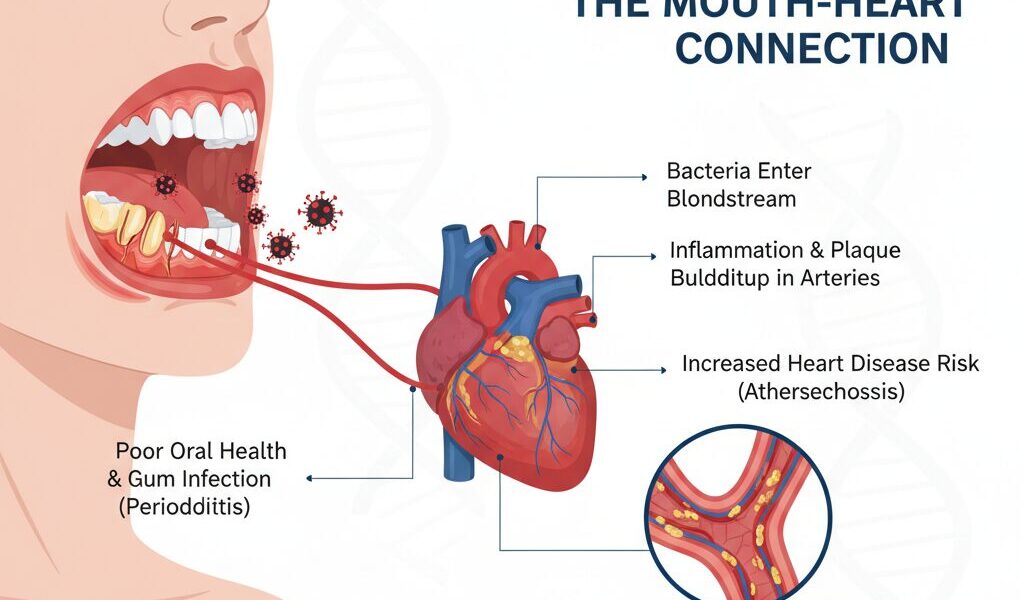
Most people think brushing and flossing only protect their teeth and gums. But research shows that oral health and heart disease are more closely connected than many realize. The condition of your mouth can directly influence your cardiovascular system, and ignoring dental problems may increase your risk of serious heart issues. Dental experts at Ivory Dental World often educate patients about this powerful connection because preventing oral infections can also help protect long-term heart health.
Understanding the Mouth-Heart Connection
Your mouth contains millions of bacteria. While most are harmless, poor oral hygiene allows harmful bacteria to multiply and enter the bloodstream through inflamed gums. Once in circulation, these bacteria can:
-
Trigger inflammation in blood vessels
-
Contribute to plaque buildup in arteries
-
Increase risk of heart attack or stroke
This is why dentists and cardiologists increasingly emphasize the importance of maintaining healthy gums.
How Gum Disease Affects Heart Health
What Is Gum Disease?
Gum disease (periodontal disease) is a bacterial infection that damages gums and supporting bone. Early stage symptoms include redness, swelling, and bleeding. Advanced stages can cause tooth loss and chronic inflammation.
Why It’s Dangerous for the Heart
Inflammation is the key link between oral and cardiovascular health. Chronic gum infections release inflammatory chemicals that can narrow arteries and restrict blood flow. Studies suggest people with gum disease may have a higher risk of heart disease compared to those with healthy gums.
Warning Signs Your Oral Health May Be Affecting Your Heart
Pay attention to these symptoms:
-
Bleeding gums while brushing
-
Persistent bad breath
-
Loose teeth
-
Gum recession
-
Tooth sensitivity
These signs may indicate infection and inflammation that could impact overall health—not just your smile.
Risk Factors That Increase Both Dental and Heart Problems
Some lifestyle and medical factors contribute to both oral disease and heart conditions:
| Risk Factor | Effect on Mouth | Effect on Heart |
|---|---|---|
| Smoking | Weakens gums | Damages blood vessels |
| Diabetes | Higher infection risk | Increases heart disease risk |
| Poor diet | Causes cavities | Raises cholesterol |
| Stress | Teeth grinding | Raises blood pressure |
Addressing these risk factors improves both oral and cardiovascular health simultaneously.
Scientific Evidence Supporting the Link
Medical research continues to show strong associations between oral bacteria and cardiovascular disease. Scientists have found oral bacteria in arterial plaque samples, suggesting bacteria from gum infections can travel through the bloodstream and contribute to artery blockage.
Although gum disease doesn’t directly cause heart disease, it acts as a significant contributing factor, especially when combined with other risks like smoking, obesity, or diabetes.
How to Protect Your Teeth and Heart at the Same Time
1. Brush Properly Twice Daily
Use fluoride toothpaste and brush for at least two minutes.
2. Floss Every Day
Flossing removes plaque between teeth where brushes can’t reach.
3. Schedule Regular Dental Checkups
Professional cleanings remove hardened plaque and detect problems early. Preventive care at trusted clinics such as Ivory Dental World helps reduce inflammation before it affects overall health.
4. Eat a Heart-Healthy Diet
Foods rich in fiber, vitamins, and minerals support both gum tissue and cardiovascular function.
5. Quit Smoking
Smoking dramatically increases both gum disease and heart disease risk.
Why Preventive Dentistry Matters
Preventive dental care isn’t just about avoiding cavities, it’s about protecting your entire body. Regular checkups allow dentists to detect:
-
Early gum infection
-
Hidden cavities
-
Plaque buildup
-
Signs of systemic health conditions
Clinics that focus on prevention, patient education, and advanced diagnostics, like Ivory Dental World, help patients maintain both oral and overall wellness.
When to See a Dentist Immediately
Seek dental care if you notice:
-
Gum bleeding that doesn’t stop
-
Persistent mouth infection
-
Swelling or pus around gums
-
Sudden tooth looseness
Early treatment can prevent bacteria from spreading and reduce inflammation linked to cardiovascular risks.
Final Thoughts
The connection between oral health and heart disease highlights why dental care should never be ignored. Your mouth is not separate from your body, it’s a gateway to your overall health. Maintaining healthy gums, treating infections early, and scheduling routine dental visits can reduce inflammation and support cardiovascular wellness.
Trusted clinics like Ivory Dental World play an important role in this preventive approach by helping patients protect both their smiles and their hearts through expert care and early diagnosis.
FAQs
1. Can oral health affect heart disease risk?
Yes. Poor oral health, especially gum disease, can increase inflammation and allow bacteria to enter the bloodstream, which may contribute to heart disease risk.
2. What is the link between gum disease and heart health?
Gum infections can release bacteria into circulation, triggering inflammation that may affect blood vessels and increase cardiovascular problems.
3. How do oral bacteria impact the heart?
Harmful oral bacteria can travel from infected gums into the bloodstream and contribute to arterial plaque buildup, which is associated with heart disease.
4. How can I protect both my oral and heart health?
Maintain good oral hygiene, brush twice daily, floss regularly, eat a balanced diet, and visit a dentist for routine checkups.
5. When should I see a dentist for gum problems?
You should visit a dentist immediately if you notice bleeding gums, swelling, bad breath, or gum pain, as these may indicate infection.
6. Why choose a professional clinic for preventive dental care?
Professional dental clinics like Ivory Dental World provide advanced diagnostics, preventive care, and expert treatment to detect gum disease early and protect both oral and overall health.