

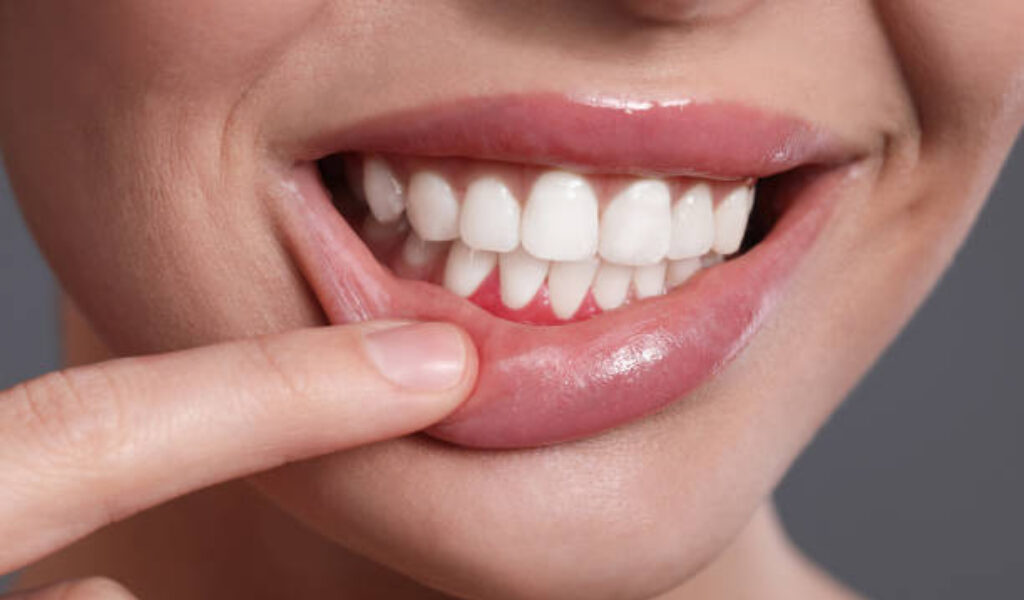
A swollen gums warning sign is often your mouth’s first signal that something is wrong. Many people ignore gum swelling, assuming it’s temporary or harmless. However, swollen gums can indicate underlying dental infections, gum disease, or even systemic health problems. Recognizing a swollen gums warning sign early can prevent severe complications and help you seek timely treatment.
At Ivory Dental World, dentists frequently treat patients who initially dismissed swollen gums, only to discover more serious oral health conditions later. Understanding what swollen gums mean can protect both your smile and overall health.
What Is a Swollen Gums Warning Sign?
A swollen gums warning sign refers to inflammation, redness, or puffiness of gum tissue that indicates irritation, infection, or disease. Healthy gums should appear pink and firm, not red or enlarged.
Common Symptoms
-
Puffy gum tissue
-
Tenderness when brushing
-
Bleeding gums
-
Gum soreness
-
Persistent bad breath
Causes Behind a Swollen Gums Warning Sign
Several conditions can trigger swollen gums. Identifying the cause is essential for proper treatment.
1. Plaque Buildup
Poor oral hygiene allows plaque bacteria to accumulate, leading to gum irritation.
2. Gingivitis
The earliest stage of gum disease often begins with swelling and bleeding.
3. Periodontitis
Advanced infection damages gum tissue and bone.
4. Hormonal Changes
Pregnancy or puberty may increase gum sensitivity.
5. Vitamin Deficiency
Low vitamin C or B levels can weaken gums.
Swollen Gums Warning Sign vs Healthy Gums
| Feature | Healthy Gums | Swollen Gums Warning Sign |
|---|---|---|
| Color | Pink | Red/Dark |
| Texture | Firm | Puffy |
| Bleeding | None | Frequent |
| Pain | No | Yes |
| Breath | Fresh | Bad odor |
Treatment Options for Swollen Gums
Treatment depends on the underlying cause:
1. Mild Cases
-
Professional cleaning
-
Improved brushing technique
-
Antibacterial mouthwash
2. Moderate Cases
-
Prescription medications
3. Severe Cases
-
Gum surgery
-
Laser periodontal therapy
Early care prevents complications and reduces treatment costs.
Early Signs of Gum Disease
Many people ignore mild gum swelling, assuming it will go away. However, swelling is one of the early signs of gum disease, and early treatment is key to preventing long-term damage.
1. Stage 1: Gingivitis
-
Mild swelling
-
Occasional bleeding
-
Red gums
This stage is reversible with proper oral care and professional cleaning.
2. Stage 2: Periodontitis
If untreated, gingivitis progresses into periodontitis, where infection spreads deeper into gum tissue and bone. Symptoms may include:
-
Severe swelling
-
Gum pockets
-
Loose teeth
-
Persistent infection
At this stage, professional dental treatment is necessary.
Why Swollen Gums Can Become Serious
Ignoring gum inflammation allows bacteria to multiply and spread deeper into tissues. Over time, untreated swelling may lead to:
-
Tooth loss
-
Bone damage
-
Abscess formation
-
Chronic infection
In advanced cases, oral infections may even affect overall health because bacteria can enter the bloodstream.
How Dentists Diagnose Gum Swelling
Dental professionals evaluate a swollen gums warning sign through:
-
Visual gum examination
-
Periodontal pocket measurement
-
Digital X-rays
-
Plaque assessment
Clinics like Ivory Dental World use advanced diagnostic tools to detect gum disease early and recommend personalized treatment.
Treatment Options for Swollen Gums
Treatment depends on the cause and severity. Common solutions include:
-
Professional dental cleaning
-
Deep scaling and root planing
-
Antibacterial rinses
-
Antibiotic therapy
-
Adjustment of dental appliances
Prompt care ensures that swelling does not progress into serious gum disease.
How to Prevent a Swollen Gums Warning Sign
Preventive habits can protect your gums:
-
Brush twice daily
-
Floss regularly
-
Use soft-bristle toothbrush
-
Visit dentist every 6 months
-
Eat vitamin-rich foods
Routine checkups at Ivory Dental World help detect gum issues before symptoms worsen.
When Should You See a Dentist?
You should seek dental care if swelling:
-
Lasts more than a few days
-
Causes pain
-
Bleeds frequently
-
Is accompanied by bad breath
-
Appears with pus or discharge
Early treatment prevents complications and protects your teeth.
Final Thoughts
Swollen gums should never be ignored, as they are often a warning sign of underlying dental problems that can worsen if left untreated. Identifying symptoms early, understanding the causes, and seeking timely care can prevent complications like gum disease, infection, or tooth loss. For accurate diagnosis and personalized treatment, visiting a trusted dental clinic is essential.
At Ivory Dental World, patients receive comprehensive gum care, advanced diagnostics, and preventive treatments designed to protect long-term oral health. If you notice persistent swelling, bleeding, or tenderness in your gums, scheduling a professional dental evaluation is the best step toward restoring a healthy, confident smile.
FAQs
1. Are swollen gums a warning sign?
Yes. Persistent swollen gums can indicate gum disease or infection and should be checked by a dentist.
2. How long should gum swelling last?
If swelling lasts more than 2–3 days, seek professional dental care.
3. Can swollen gums heal on their own?
Mild irritation may improve with good oral hygiene, but infections usually require treatment.
4. What causes swollen gums?
Common causes include plaque buildup, gingivitis, poor brushing habits, and hormonal changes.
5. When should I see a dentist immediately?
If swelling includes severe pain, bleeding, pus, or loose teeth, visit a dentist right away.