

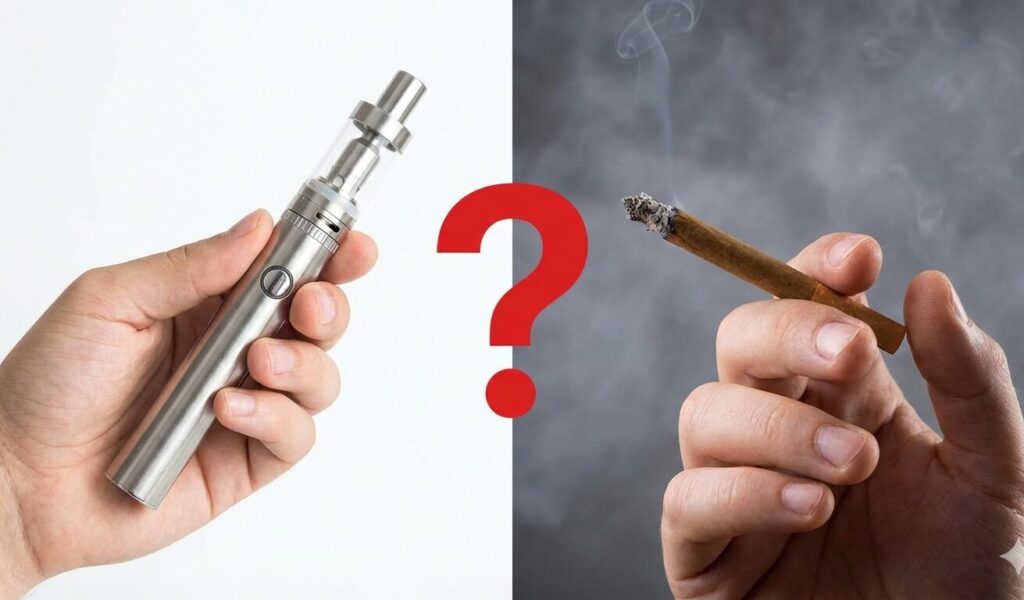
Vaping is often marketed as a safer alternative to smoking, leading many people, especially young adults to believe it poses little to no risk to their oral health. But from a dental perspective, the reality is more complex.
At Ivory Dental World, we frequently get asked: is vaping safer than smoking, especially when it comes to teeth and gums? While vaping may reduce some risks associated with traditional cigarettes, it is not risk-free for oral health.
This blog explains the real impact of vaping and oral health, how it compares to smoking, and what you should know to protect your smile.
Smoking vs Vaping Oral Health: What’s the Real Difference?
How Smoking Harms Oral Health
Smoking has long been linked to serious dental and oral problems. Cigarette smoke contains thousands of toxic chemicals that affect the mouth directly by:
-
Reducing blood flow to the gums
-
Increasing plaque and tartar buildup
-
Causing persistent bad breath
-
Delaying healing after extractions or implants
-
Increasing the risk of gum disease and oral cancer
Smokers are also more likely to lose teeth due to advanced periodontal disease.
How Vaping Affects Oral Health
Vaping does not produce smoke or tar, but it still exposes the mouth to nicotine and chemical aerosols. These substances can negatively impact oral tissues in several ways:
-
Nicotine restricts blood supply to the gums
-
Reduced saliva flow leads to dry mouth
-
Chemical vapors irritate soft tissues
-
Flavored vape liquids may increase cavity risk
The effects of vaping on teeth and gums are often subtle at first, which is why many people underestimate the damage.
Is Vaping Safer Than Smoking for Your Mouth?
The honest answer: vaping may be less harmful than smoking, but it is not safe for oral health.
Compared to smoking, vaping may:
-
Cause less external tooth staining
-
Reduce exposure to tar
-
Lower (but not eliminate) cancer risk
However, when it comes to vaping and oral health, dentists are increasingly seeing problems such as:
-
Early gum inflammation
-
Gum recession
-
Tooth sensitivity
-
Increased cavity formation
-
Chronic dry mouth
In other words, switching from smoking to vaping may reduce harm—but it does not protect your teeth and gums.
Smoking vs Vaping: Impact on Oral Health
| Oral Health Factor | Smoking | Vaping |
|---|---|---|
| Gum disease risk | Very high | Moderate to high |
| Blood flow to gums | Severely reduced | Reduced due to nicotine |
| Dry mouth | Common | Very common |
| Tooth staining | Heavy staining | Mild to moderate |
| Healing after dental treatment | Slow | Slower than normal |
| Risk of cavities | High | Increased due to dry mouth & flavors |
| Oral cancer risk | High | Lower than smoking but not zero |
Effects of Vaping on Teeth and Gums
1. Gum Disease Risk
Nicotine, whether from cigarettes or vapes, reduces blood flow to the gums. This weakens the body’s ability to fight infection and heal damaged tissues, increasing the risk of gingivitis and periodontitis.
2. Dry Mouth and Cavities
Vaping commonly causes dry mouth. Saliva is essential for neutralizing acids and washing away bacteria. When saliva levels drop:
-
Cavity risk increases
-
Bad breath becomes more common
-
Gum irritation worsens
Flavored vape liquids can further fuel tooth decay, especially along the gumline.
3. Delayed Healing After Dental Treatment
Patients who vape may experience slower healing after procedures like tooth extraction, implants, or gum treatments—similar to smokers, though sometimes less severe.
Why Vaping Can Mask Dental Problems
One lesser-known issue is that nicotine can hide early symptoms of gum disease. Reduced blood flow may mean:
-
Less bleeding
-
Less visible inflammation
This can delay diagnosis until the disease has progressed. By the time pain appears, significant damage may already be present.
What Dentists at Ivory Dental World Advise
At Ivory Dental World, our approach is always patient-first and non-judgmental. If you vape or smoke:
-
We assess gum health more frequently
-
We recommend regular professional cleanings
-
We focus on early detection of gum disease
-
We guide you on reducing oral health risks
If you’re using vaping as a step toward quitting smoking, it may help reduce certain risks—but it should not be viewed as a long-term solution for oral health.
How to Protect Your Oral Health If You Vape
If quitting isn’t immediate, you can still reduce damage by:
-
Drinking plenty of water to combat dry mouth
-
Maintaining strict brushing and flossing habits
-
Avoiding vaping right before sleep
-
Scheduling regular dental checkups
Most importantly, don’t skip dental visits just because you don’t feel pain.
The Bottom Line
When it comes to vaping and oral health, the evidence is clear:
Vaping is not harmless, even if it is sometimes less damaging than smoking.
The debate of smoking vs vaping oral health shouldn’t focus on which is “safe,” but rather on which habits can be reduced or eliminated to protect your teeth, gums, and overall well-being.
At Ivory Dental World, we believe informed patients make better decisions. Whether you smoke, vape, or are trying to quit, our dental team is here to support your oral health with honesty, care, and expertise.
Frequently Asked Questions (FAQs)
1. Is vaping safer than smoking for oral health?
Vaping may reduce certain risks compared to smoking, such as heavy tooth staining and exposure to tar. However, when it comes to vaping and oral health, it is not safe. Vaping can still cause gum disease, dry mouth, and delayed healing after dental treatments.
2. What are the effects of vaping on teeth and gums?
The effects of vaping on teeth and gums include dry mouth, increased cavity risk, gum inflammation, gum recession, and bad breath. Nicotine in vape liquids also restricts blood flow to the gums, making infections harder to fight.
3. Can vaping cause gum disease?
Yes. Vaping can increase harmful oral bacteria and weaken gum tissues, which raises the risk of gingivitis and periodontal disease. Many patients don’t notice early symptoms because nicotine can mask bleeding and inflammation.
4. Does vaping slow down healing after dental treatment?
Yes. Similar to smoking, vaping can slow healing after tooth extractions, dental implants, and gum procedures. Reduced blood circulation caused by nicotine delays tissue repair and increases the risk of complications.
5. Should I tell my dentist if I vape?
Absolutely. Informing your dentist helps them assess your gum health accurately and plan safer treatment. At Ivory Dental World, patients who vape receive personalized care, preventive guidance, and closer monitoring to protect long-term oral health.